Bluebird Nesting Guide
A practical, bird-first guide to installing and maintaining a bluebird nest box in the United States – focused on safety, placement, predator protection, and seasonal care.
Quick note: Always follow local wildlife guidelines and avoid disturbing active nests. This guide is educational and designed to support responsible backyard stewardship.
Table of Contents
- Chapter 1 – Bluebirds & Nest Box Size
- Chapter 2 – Placement & Orientation
- Chapter 3 – Installation, Mounting & Predator Protection
- Chapter 4 – Seasonal Care, Cleaning & Maintenance
- Chapter 5 – Common Mistakes, Best Practices & Final Tips
Chapter 1 – Understanding Bluebirds & Proper Nest Box Size
Bluebirds and Nest Box Basics
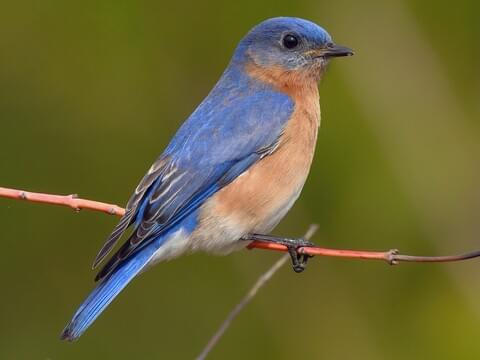
Bluebirds are cavity-nesting birds native to North America and are commonly found in open areas such as meadows, backyards, golf courses, and farmland.
Because natural nesting cavities are becoming harder to find, properly designed nest boxes play an important role in supporting healthy bluebird populations.
Which Bluebirds Live in the United States?
In the United States, there are three main species of bluebirds:
- Eastern Bluebird
- Western Bluebird
- Mountain Bluebird
While they differ slightly in color and habitat, their nesting requirements are very similar, which allows a single nest box design to work for all three.
The Importance of the Entrance Hole Size
One of the most critical elements of a nest box is the diameter of the entrance hole.
For bluebirds, the recommended entrance hole size is:
✅ 1.5 inches (38 mm)
This size is important because it:
- Allows bluebirds to enter comfortably
- Helps exclude larger invasive species
- Encourages bluebirds to choose the box over competitors
An entrance hole that is too large may invite unwanted species, while one that is too small may prevent bluebirds from entering at all.
European Birds vs. North American Bluebirds
Many educational videos and resources are based on European cavity-nesting birds, such as tits and sparrows.
While these birds share similar nesting behaviors with bluebirds, their sizes and environmental pressures differ.
When adapting European nest box designs for North American bluebirds:
- Entrance hole size must be adjusted to 1.5 inches
- Interior space should allow comfortable movement for adult birds and chicks
- Ventilation and drainage remain universally important
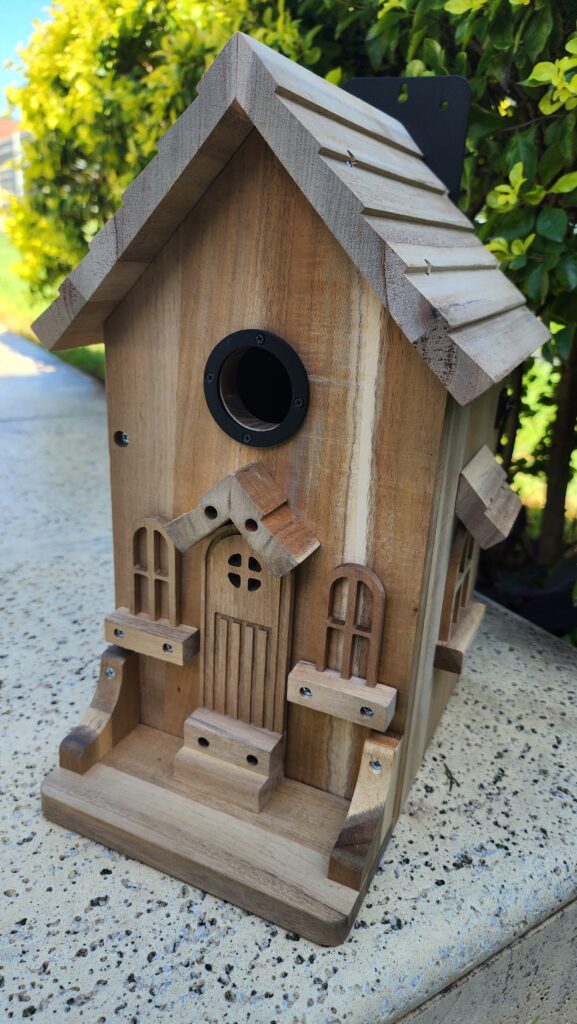
The Nestingood Bird House Kit is designed using these North American bluebird standards in mind.
Why Nest Box Design Matters
A well-designed nest box does more than provide shelter.
It helps:
- Regulate temperature
- Reduce moisture buildup
- Protect eggs and chicks
- Increase nesting success rates
Poorly designed boxes, even if visually appealing, can discourage nesting or create unsafe conditions.
Key Takeaways from Chapter 1
- Bluebirds are cavity nesters that benefit greatly from nest boxes
- A 1.5 inch entrance hole is essential for bluebirds in the US
- European nest box concepts must be adapted, not copied directly
- Function always comes before decoration
Chapter 2 – Proper Placement & Orientation
Why Placement Matters More Than the Box Itself
Even a perfectly designed nest box can fail if it’s placed incorrectly.
For bluebirds, where and how a nest box is installed often matters more than the material or appearance of the box.
Correct placement helps:
- Increase nesting success
- Reduce predation
- Minimize competition from invasive species
- Create a stress-free environment for birds
Ideal Habitat for Bluebirds
Bluebirds prefer open, grassy areas rather than dense forests.
Best locations include:
- Open backyards
- Meadows and fields
- Farmland edges
- Golf courses
- Parks with scattered trees
Avoid placing nest boxes:
- Inside dense woods
- Near heavy human traffic
- Close to buildings with constant activity
Bluebirds rely on clear sightlines to hunt insects, their primary food source.
Recommended Height for Bluebird Nest Boxes
The ideal mounting height for a bluebird nest box is:
✅ 4 to 6 feet (1.2 – 1.8 m) above the ground
This height:
- Makes the box accessible for monitoring and cleaning
- Keeps it out of reach of many predators
- Matches natural bluebird nesting behavior
Mounting significantly higher does not improve success and can make maintenance difficult.
Orientation: Which Direction Should the Entrance Face?
Orientation plays a critical role in temperature control and protection from weather.
Best practice for the entrance hole:
- Face east or southeast whenever possible
This orientation:
- Avoids harsh afternoon sun
- Reduces exposure to strong prevailing winds
- Helps regulate internal temperature
Avoid facing:
- Direct west (overheating risk)
- Direct north (cold wind exposure in many regions)
Distance Between Nest Boxes
If you plan to install more than one nest box:
- Space boxes at least 100–300 feet apart
- Bluebirds are territorial during nesting season
Placing boxes too close together can:
- Discourage nesting
- Increase competition and stress
- Lead to abandoned nests
Mounting Method: Poles vs Trees
✅ Best option: Metal or wooden pole
- Harder for predators to climb
- More stable
- Easier to monitor
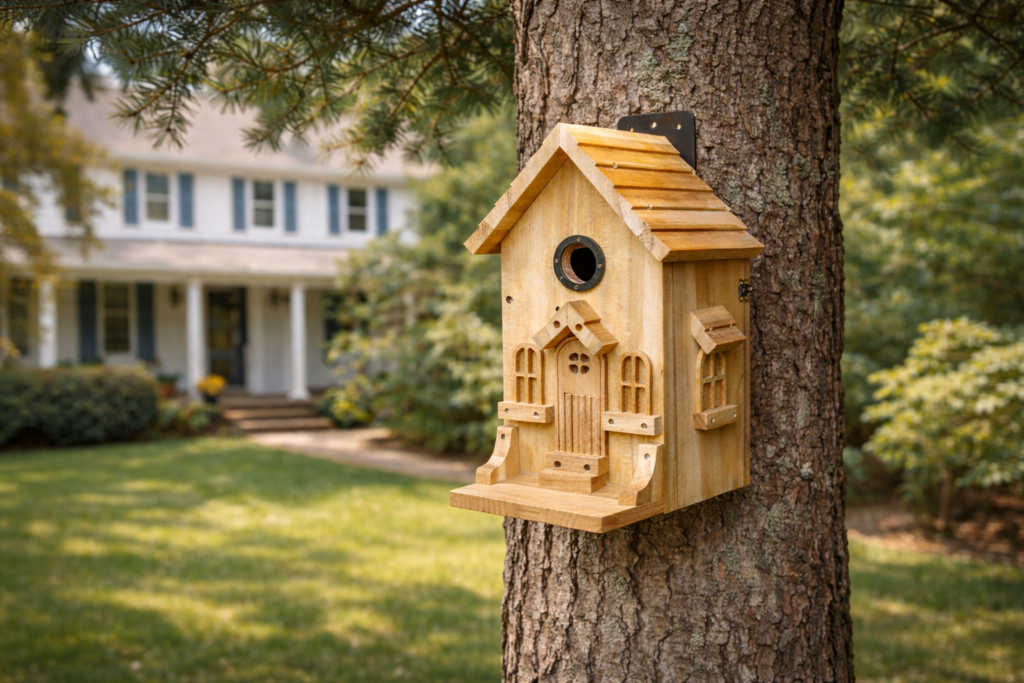
⚠️ Tree mounting (less ideal)
- Easier access for predators
- More shade and moisture
- Higher risk of nest disturbance
If using a tree, choose:
- An isolated trunk
- Minimal overhanging branches
- Additional predator protection if possible
Keep the Area Clear
The area directly in front of the nest box should remain open.
Bluebirds prefer:
- Clear flight paths
- Unobstructed access to the entrance
- Visibility to detect predators
Avoid placing nest boxes:
- Behind shrubs
- Near fences
- Close to dense vegetation
Common Placement Mistakes to Avoid
- Mounting the box too high
- Facing the entrance west
- Installing in shaded, wooded areas
- Placing boxes too close together
- Ignoring predator access
Correcting these mistakes often leads to immediate improvement in nesting activity.
Key Takeaways from Chapter 2
- Open areas are essential for bluebirds
- Mount boxes 4–6 feet above ground
- Face the entrance east or southeast
- Use poles instead of trees when possible
- Proper placement dramatically increases success
Chapter 3 – Installation, Mounting & Predator Protection
Why Proper Installation Matters
Even when a nest box is well-designed and correctly placed, poor installation can lead to failure.
A stable, secure, and predator-resistant installation is essential for:
- Protecting eggs and chicks
- Preventing box movement in wind
- Reducing nest abandonment
- Increasing long-term nesting success
Mounting Options for Bluebird Nest Boxes
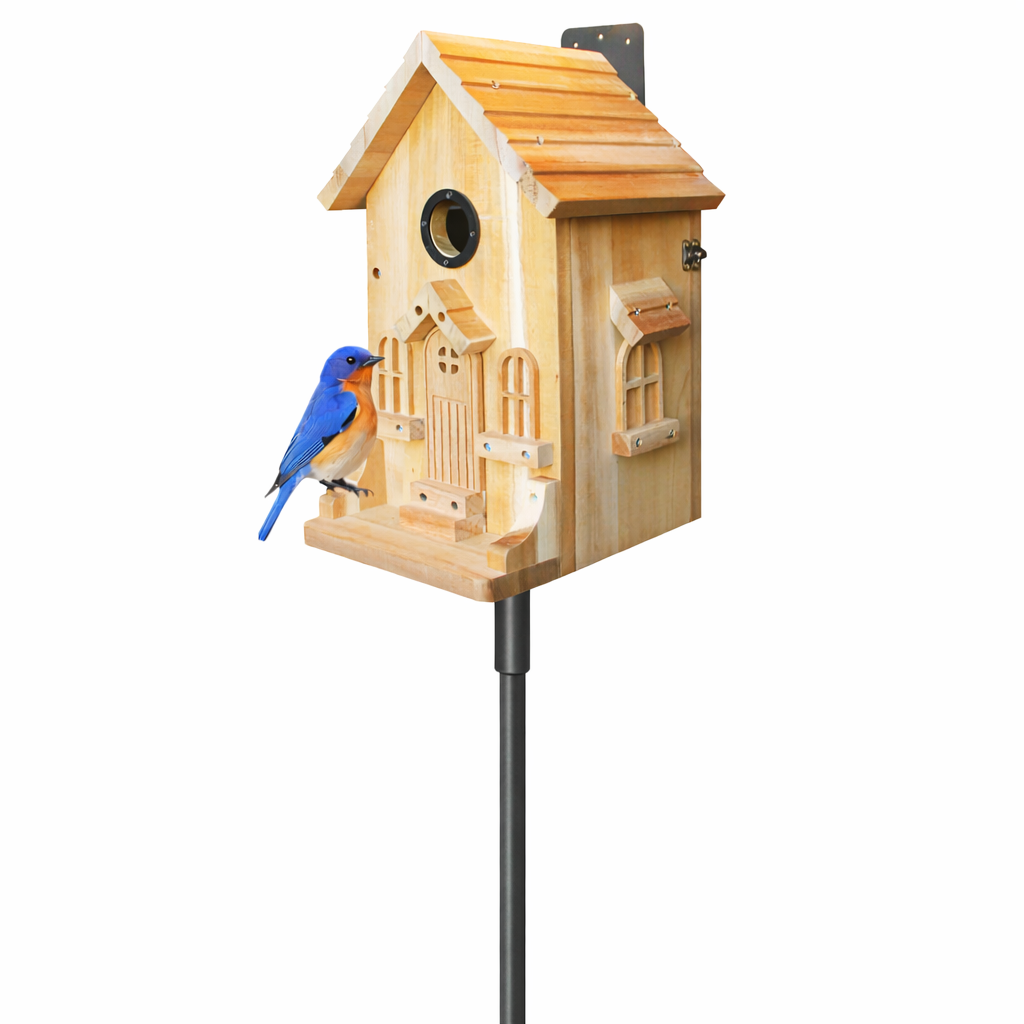
✅ Recommended: Pole Mounting
Mounting a bluebird nest box on a pole is the most effective and safest method.
Benefits:
- Reduces predator access
- Provides stability
- Makes monitoring and cleaning easier
Best pole types:
- Metal poles (preferred)
- Smooth wooden poles
Avoid rough surfaces that predators can climb easily.
⚠️ Tree Mounting (Use with Caution)
While sometimes necessary, mounting on trees increases risk.
Risks include:
- Easy access for predators
- Excessive shade and moisture
- Interference from branches
If tree mounting is unavoidable:
- Choose an isolated trunk
- Trim nearby branches
- Add predator protection
How to Secure the Nest Box
Recommended fastening methods:
- Screws or bolts (preferred)
- Avoid nails that loosen over time
Ensure that:
- The box is firmly attached
- There is no wobble
- Hinges or access panels remain functional
Movement caused by wind or animals can discourage nesting.
Predator Protection: A Critical Step
Predators are one of the main reasons bluebird nests fail.
Common predators include:
- Raccoons
- Snakes
- Squirrels
- Domestic cats
Installing predator guards dramatically increases nesting success.
Types of Predator Guards
1️⃣ Stove Pipe or Cylinder Baffle (Best Option)
- Installed below the nest box on the pole
- Prevents climbing predators
Why it works:
- Smooth surface
- Difficult to grip
- Low maintenance
2️⃣ Cone Baffle
- Installed below the box
- Effective when sized properly
Ensure the cone is:
- Wide enough
- Mounted at the correct height
3️⃣ Entrance Hole Protection (Use Carefully)
Some designs include extended entrances or guards.
⚠️ These should not:
- Make entry difficult for bluebirds
- Reduce ventilation
- Trap heat
Predator protection should never compromise bird safety.
Box Stability & Wind Protection
Bluebirds prefer a stable nesting environment.
To improve stability:
- Use sturdy poles
- Tighten all fasteners
- Avoid flexible mounts
- Position the box away from strong wind corridors
A box that moves excessively may be abandoned.
Seasonal Installation Timing
- Install nest boxes before the breeding season
- Late winter or early spring is ideal in most US regions
Installing early:
- Gives birds time to discover the box
- Reduces competition
- Increases occupancy rates
Monitoring Without Disturbing
It’s safe and recommended to monitor nest boxes responsibly.
Guidelines:
- Check no more than once per week
- Avoid early mornings
- Open the box gently
- Close it securely afterward
Monitoring helps identify problems early without stressing the birds.
Key Takeaways from Chapter 3
- Pole mounting is the safest option
- Predator guards significantly improve success
- Stability and security are critical
- Installation quality matters as much as box design
- Proper setup protects both birds and nests
Chapter 4 – Seasonal Care, Cleaning & Maintenance
Why Ongoing Care Is Essential
Installing a nest box is only the first step.
Seasonal care and basic maintenance are essential to keep the nest box safe, attractive, and usable for bluebirds year after year.
Regular care helps to:
- Prevent parasite buildup
- Reduce disease risk
- Encourage repeat nesting
- Extend the life of the nest box
A neglected box may be avoided by birds, even if it is well designed.
Bluebird Nesting Season Overview
In most regions of the United States, bluebirds:
- Begin nesting in early spring
- May raise multiple broods per season
- Finish nesting by late summer
Understanding this cycle helps determine when to clean and when not to disturb.
When to Clean a Bluebird Nest Box
✅ After Each Brood (Recommended)
Once fledglings have left the nest:
- The box can be cleaned
- This prepares it for a potential second or third brood
Bluebirds often reuse the same box during the same season if it is clean.
⚠️ Never Clean During Active Nesting
Do not clean the box if:
- Eggs are present
- Chicks are inside
- Adults are actively feeding young
Disturbing an active nest can cause abandonment.
How to Clean a Nest Box Safely
Step-by-step cleaning process:
1️⃣ Open the box carefully
2️⃣ Remove old nesting material
3️⃣ Scrape out debris if needed
4️⃣ Do not use chemicals or detergents
5️⃣ Allow the box to dry completely
6️⃣ Close and secure the box firmly
Optional:
- A light rinse with boiling water can help remove parasites
- Let the box dry fully before closing
Do Not Use Chemicals
Avoid:
- Bleach
- Disinfectants
- Insect sprays
- Scented cleaners
Strong odors and residues can deter birds or harm chicks.
Clean, dry wood is sufficient.
Managing Parasites Naturally
Common nest box parasites include:
- Mites
- Blowfly larvae
Best prevention methods:
- Regular cleaning between broods
- Proper ventilation
- Good drainage
- Dry interior conditions
Healthy airflow and cleanliness are the most effective defenses.
Seasonal Maintenance Checklist
During the Nesting Season
- Check stability of the mount
- Ensure predator guards remain secure
- Monitor responsibly (no more than once per week)
After the Nesting Season (Late Summer / Fall)
- Remove all nesting material
- Inspect for damage
- Tighten screws or fasteners
- Ensure ventilation and drainage holes are clear
This prepares the box for the next season.
Winter Care: Should the Box Stay Up?
Yes. In most regions:
- Nest boxes can remain installed year-round
- Bluebirds may use them for:
- Roosting
- Shelter from cold weather
Leaving the box up also allows birds to locate it early in spring.
Wood Care and Longevity
For unfinished wooden nest boxes:
- Natural weathering is normal
- Minor cracks or color changes do not affect usability
Avoid sealing or painting the interior.
If exterior treatment is desired:
- Use bird-safe, non-toxic finishes
- Apply only to the outside
- Never during nesting season
Key Takeaways from Chapter 4
- Clean nest boxes between broods
- Never disturb active nests
- Avoid chemicals and strong odors
- Regular maintenance increases nesting success
- Nest boxes can remain installed year-round


Chapter 5 – Common Mistakes, Best Practices & Final Tips
Why Mistakes Matter
Most bluebird nest box failures are not caused by bad intentions, but by small, avoidable mistakes.
Understanding what not to do is just as important as following best practices.
Correcting even one mistake can significantly improve nesting success.
Common Mistakes to Avoid
❌ Using the Wrong Entrance Hole Size
- An entrance that is too large invites unwanted species
- An entrance that is too small prevents bluebirds from entering
✅ Correct size for bluebirds:
1.5 inches (38 mm)
❌ Installing the Box in a Shaded or Wooded Area
Bluebirds prefer open environments.
Avoid:
- Dense trees
- Heavy shade
- Enclosed spaces
Even a high-quality nest box may remain unused if placed incorrectly.
❌ Mounting Too High
Many people assume “higher is better,” but this is not true for bluebirds.
- Too high = harder to monitor and clean
- Too low = increased predation risk
✅ Ideal height: 4–6 feet above ground
❌ Ignoring Predator Protection
Skipping predator guards is one of the most common reasons nests fail.
Without protection:
- Eggs and chicks are vulnerable
- Birds may abandon the box
A simple baffle can dramatically improve success.
❌ Disturbing Active Nests
Opening the box too often or at the wrong time can cause stress.
Avoid:
- Frequent checks
- Early morning inspections
- Handling eggs or chicks
Responsible monitoring is key.
Best Practices for Long-Term Success
✅ Think Like a Bluebird
Ask yourself:
- Is the area open and quiet?
- Is there a clear flight path?
- Is the box safe from predators?
Bird-first thinking leads to better outcomes.
✅ Keep It Simple
Avoid:
- Decorative elements inside the box
- Perches (not needed and can attract predators)
- Excessive modifications
Simple, functional design works best.
✅ Monitor, Don’t Interfere
- Check once per week at most
- Observe from a distance whenever possible
- Let nature take its course
Intervention should be minimal and purposeful.
✅ Maintain Consistency
- Keep boxes installed year-round
- Clean between broods
- Maintain the same location season after season
Bluebirds are more likely to return to familiar, successful sites.
Final Tips for First-Time Bluebird Stewards
- Install boxes early in the season
- Be patient — discovery can take time
- Success may improve each year
- Learning from observation is part of the experience
Supporting bluebirds is a long-term relationship, not a one-time action.
Bringing It All Together
A successful bluebird nest box combines:
- Proper size and design
- Correct placement and orientation
- Secure installation with predator protection
- Regular, responsible maintenance
When all of these elements work together, nest boxes become safe, reliable homes that truly support bluebirds.
Final Takeaways
- Most problems come from small, fixable mistakes
- Best practices dramatically improve nesting success
- Education is as important as the box itself
- Responsible design and care benefit both birds and people
these elements work together, nest boxes become safe, reliable homes that truly support bluebirds.